
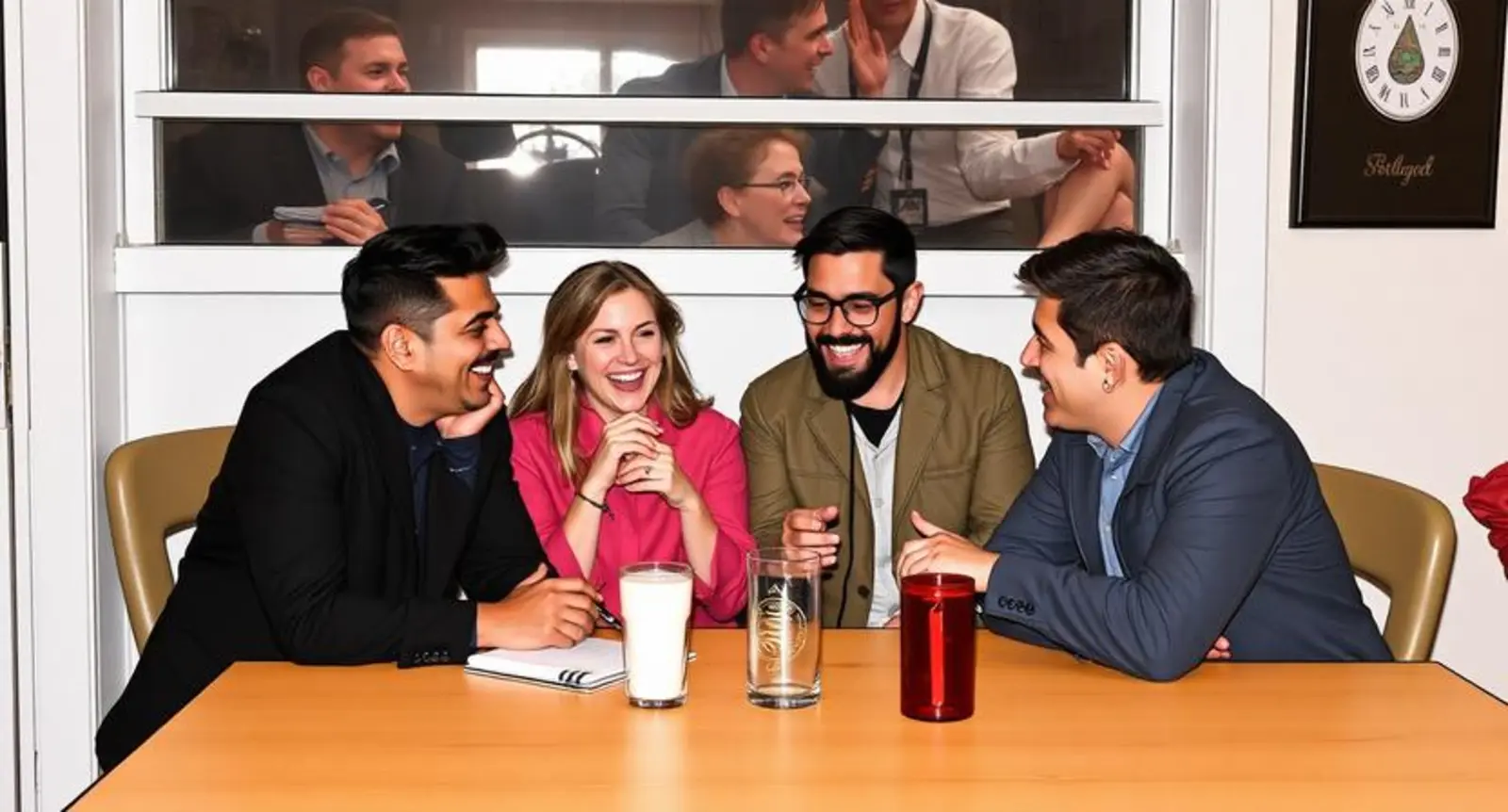
Have you ever met someone whose presence instantly lights up the room? The kind of person who greets you with a grin, and before you know it, you’re laughing—sometimes at yourself, sometimes at them, but always together? They’re known to open with some jokes, and it’s not just a casual habit; it’s an art form, a psychological dance that blends humor, empathy, and social intelligence.
Humor isn’t merely entertainment.
It’s a bridge that connects hearts, breaks tension, and signals emotional intelligence.
The people who open with jokes do more than make you laugh—they subtly communicate safety, creativity, and charisma.
In this article, we’ll explore why these early jests are more than superficial banter, and how mastering this approach can transform interactions, relationships, and even professional influence.
From the psychology behind playful first impressions to strategic communication techniques, we’ll delve into 14 nuanced dimensions of why and how they’re known to open with some jokes.
Along the way, you’ll uncover insights rooted in behavioral science, NLP, and real-life social dynamics. Let’s laugh, learn, and connect.
They’re Known to Open with Some Jokes to Instantly Lower Tension

-
😅 Humor reduces cortisol levels, making initial interactions feel safe.
-
😎 It signals confidence without arrogance, inviting others to relax.
-
🎭 Light-hearted teasing creates playful social rapport instantly.
-
🤝 It establishes trust by showing vulnerability through self-deprecation.
-
💡 Clever wordplay engages the brain, making you memorable.
-
🧠 Jokes trigger dopamine release, increasing receptivity and attention.
-
💬 Humor acts as an emotional icebreaker, especially in new environments.
-
🌟 A well-timed joke conveys charisma and social intelligence simultaneously.
-
😂 Laughing together activates bonding hormones like oxytocin.
-
🎯 It allows them to navigate sensitive topics with ease.
-
👁️ Humor highlights observational skills, showing awareness of context.
-
✨ It transforms awkward silences into opportunities for connection.
-
💌 Early jokes often create a lasting positive first impression.
-
🥂 They create a mini “inside joke” effect, even with strangers.
They’re Known to Open with Some Jokes to Build Emotional Intimacy

-
💖 Humor conveys empathy subtly, connecting hearts before words do.
-
🥰 Laughing together generates shared emotional experiences instantly.
-
🌹 Gentle teasing can deepen playful bonds in early encounters.
-
💭 Self-deprecating jokes reveal humility, fostering relatability.
-
🎨 Creative humor shows personality and imagination.
-
🤗 It softens emotional walls, inviting vulnerability in return.
-
🔄 Shared laughter improves reciprocity in conversation.
-
🧩 Jokes create cognitive alignment, helping others understand their thought patterns.
-
💌 Humor signals positive intentions without heavy emotional labor.
-
🌱 It cultivates the feeling of “we’re on the same wavelength.”
-
😇 Light jokes can disarm past social anxieties.
-
🕊️ Playful humor provides a safe space for honest expression.
-
💫 Inside jokes create private emotional worlds between people.
-
🎯 Emotional resonance from humor is a powerful magnet for connection.
They’re Known to Open with Some Jokes to Demonstrate Social Intelligence

-
🧠 Observing context for humor shows awareness of social cues.
-
👀 Picking the right moment signals emotional attunement.
-
💬 They read the room before delivering a punchline.
-
🌟 Humor indicates higher cognitive flexibility and creativity.
-
🤝 It communicates inclusivity without overt persuasion.
-
🥳 Social timing in jokes reflects interpersonal empathy.
-
🎯 They adjust humor style based on audience demographics.
-
😎 Charismatic jokers create likability without dominating conversation.
-
💡 They use humor to redirect attention in tense moments.
-
📊 Strategically placed jokes increase engagement in group settings.
-
🪞 They signal self-awareness through playful reflection.
-
🔄 Humor fosters cooperation and mutual respect.
-
✨ Early humor demonstrates mastery of social dynamics.
-
💌 It encourages authenticity, enhancing relational depth.
They’re Known to Open with Some Jokes to Enhance Memorability
-
📝 Humor activates the brain’s memory circuits for stronger recall.
-
🌈 A funny opening line differentiates them from the crowd.
-
😂 Punchlines create emotional markers in your memory.
-
💡 Clever jokes engage problem-solving regions of the brain.
-
🧠 Humor fosters long-term cognitive retention.
-
🎨 Playful creativity makes their presence more vivid.
-
🤝 People associate laughs with positive impressions.
-
💬 Memorable humor becomes a social reference point.
-
🌟 Emotional peaks from laughter enhance recall.
-
✨ Quirky jokes create signature social signatures.
-
📸 Visual humor improves mental imagery and retention.
-
🥳 The brain links humor with the storyteller’s identity.
-
💌 Laugh triggers act as anchors in memory networks.
-
🎯 Memorable openings create opportunities for future reconnections.
They’re Known to Open with Some Jokes to Foster Playful Curiosity
-
🕵️ Humor sparks intrigue and invites questions.
-
🔍 Playful lines encourage people to look deeper into personality.
-
🎭 Jokes with subtle twists promote curiosity about intentions.
-
🧩 Humor challenges cognitive expectations creatively.
-
🌈 Playfulness invites open-minded exploration of conversation.
-
💡 Clever humor triggers “aha” moments that intrigue the mind.
-
😏 Witty remarks hint at hidden layers of personality.
-
✨ Humor sets a tone of exploration rather than rigidity.
-
📖 Curious minds are more likely to remember and engage further.
-
🎯 Playful questions disguised as jokes stimulate thought.
-
💌 Early humor can create anticipation for the next interaction.
-
🤔 People often analyze clever jokes, prolonging engagement.
-
🥳 Humor fosters a mindset of discovery and delight.
-
🌟 Curiosity driven by laughter strengthens relational bonds.
They’re Known to Open with Some Jokes to Navigate Awkward Social Spaces
-
😅 Jokes reduce initial tension in unfamiliar environments.
-
🤝 Humor serves as a universal language when words fail.
-
🌟 Playful banter transforms discomfort into shared amusement.
-
💡 Clever remarks redirect attention from awkward silences.
-
🎭 Humor can tactfully deflect minor social errors.
-
🧠 They gauge audience response subtly, adjusting style instantly.
-
💌 Laughter provides emotional “safety padding” in tricky conversations.
-
✨ Jokes establish friendly boundaries without force.
-
🥰 It humanizes interactions, lowering self-consciousness.
-
🔄 Humor bridges cultural or generational gaps.
-
🎯 They convert tension into connection points.
-
🕊️ Playful openings minimize perceived social risk.
-
💬 Shared humor creates implicit social contracts.
-
🌈 Successful jokers turn awkward moments into memorable experiences.
They’re Known to Open with Some Jokes to Signal Emotional Resilience
-
💪 Humor conveys coping strength without showing strain.
-
😎 Light jokes under pressure indicate confidence.
-
🧘♀️ Playfulness reflects emotional agility.
-
🌟 Resilient humor encourages others to relax emotionally.
-
💡 It reframes challenges in a positive light.
-
😂 Laughing at oneself models healthy self-esteem.
-
🤝 Humor reduces interpersonal tension during conflict.
-
🧠 Jokes provide cognitive relief during stressful interactions.
-
✨ Playful wit signals adaptability and poise.
-
💌 They use humor to recover from social missteps gracefully.
-
🌈 Emotional resilience through laughter inspires trust.
-
🥰 Humor demonstrates that setbacks aren’t threats to connection.
-
🎯 Resilient humor fosters long-term relational stability.
-
💬 It subtly communicates optimism and mental strength.
They’re Known to Open with Some Jokes to Strengthen Persuasive Influence
-
🧠 Humor increases attention and retention of messages.
-
🤝 Laughing together creates psychological alignment.
-
🌟 Playful engagement enhances credibility subtly.
-
🎯 Witty remarks make ideas more persuasive and memorable.
-
💌 Humor lowers resistance in challenging conversations.
-
💡 Cleverness demonstrates expertise without boastfulness.
-
🥰 Laughter creates a cooperative atmosphere.
-
📊 Studies show humor improves receptivity in negotiations.
-
✨ Relatable jokes foster interpersonal influence organically.
-
💬 Humor demonstrates relatability, increasing persuasion.
-
🔄 It frames arguments in emotionally compelling ways.
-
🕊️ Light humor prevents defensiveness in audiences.
-
🥳 Shared laughter builds unconscious trust networks.
-
🌈 Humor aligns emotional and cognitive resonance for influence.
They’re Known to Open with Some Jokes to Cultivate Authenticity
-
💖 Jokes reveal personal quirks and individuality.
-
😇 Self-deprecating humor shows humility.
-
🌟 Playfulness signals comfort in one’s skin.
-
🧠 Clever humor demonstrates thoughtfulness.
-
💌 Early jokes establish a natural, approachable persona.
-
🎨 Creative humor reflects genuine personality, not performance.
-
✨ Humor creates an unforced, spontaneous vibe.
-
🤝 Authentic laughter attracts like-minded people.
-
🥰 It communicates honesty without words.
-
🎯 Jokes highlight sincerity through emotional transparency.
-
💬 Humor helps avoid rigid social masks.
-
🌈 Playful openings show emotional courage.
-
🥳 Authentic jokers invite reciprocal authenticity.
-
💡 Humor becomes a subtle signature of personal truth.
They’re Known to Open with Some Jokes to Boost Group Dynamics
-
🥳 Laughter increases cooperation and group cohesion.
-
🤝 Jokes signal inclusivity and shared identity.
-
🌟 Playful remarks diffuse potential conflicts quickly.
-
💌 Humor fosters collective attention and engagement.
-
🎯 Shared amusement strengthens group memory.
-
💡 Clever jokes encourage participation and openness.
-
🧠 Humor activates social bonding circuits.
-
✨ Group laughter builds trust faster than serious conversation.
-
🕊️ Playful humor models positive interaction patterns.
-
😅 Light jokes break hierarchical tension.
-
🌈 Humor encourages empathy among team members.
-
🥰 It fosters a psychologically safe group culture.
-
💬 Early humor shapes long-term collaborative success.
-
💖 Shared jokes create memorable collective experiences.
They’re Known to Open with Some Jokes to Ignite Romantic Chemistry
-
💘 Playful humor signals intelligence and creativity.
-
😏 Teasing sparks flirtatious tension and attraction.
-
💌 Laughing together creates instant emotional intimacy.
-
🌹 Self-deprecating jokes show vulnerability safely.
-
🥰 Humor signals confidence without arrogance.
-
💡 Clever remarks stimulate intellectual engagement.
-
🎯 Playful banter fosters anticipation and curiosity.
-
✨ Shared laughter strengthens mutual liking.
-
💬 Jokes can subtly communicate interest or affection.
-
😇 Humor builds emotional bridges before words of affection.
-
🧠 Playful wit makes interactions memorable and exciting.
-
🌈 Flirtatious jokes create a sense of exclusivity.
-
🥳 Humor helps navigate early romantic awkwardness gracefully.
-
💖 Laughing together accelerates emotional and physical chemistry.
They’re Known to Open with Some Jokes to Improve Mental Wellbeing
-
😂 Laughter reduces stress hormones naturally.
-
🧘♀️ Humor enhances mood and emotional resilience.
-
💡 Playful interactions stimulate cognitive flexibility.
-
🥰 Shared jokes boost feelings of belonging.
-
🌟 Humor encourages positive social engagement.
-
💬 Jokes foster mindfulness through present-moment enjoyment.
-
🕊️ Laughter relieves social anxiety and tension.
-
💌 Early humor increases emotional regulation in interactions.
-
🧠 Positive humor enhances neuroplasticity and memory.
-
🥳 Shared amusement increases life satisfaction.
-
✨ Humor nurtures emotional intelligence naturally.
-
🤝 Playful openings reduce perceived loneliness.
-
🎯 Laughing together strengthens supportive social networks.
-
🌈 Humor creates joy-filled, resilient emotional states.
They’re Known to Open with Some Jokes to Leave a Lasting Impression
-
🌟 Early humor ensures they are remembered vividly.
-
💡 Clever jokes become social signature moments.
-
💌 Laughing together creates emotional anchors.
-
🤝 Playfulness enhances relational warmth and recall.
-
🥰 Shared humor signals authenticity and likability.
-
🎯 Witty openings distinguish them from average conversationalists.
-
🧠 Humor engages memory and cognitive focus simultaneously.
-
✨ Emotional resonance ensures lasting social impact.
-
😅 Inside jokes create relational continuity.
-
💬 Playful remarks make interactions replayable mentally.
-
🌈 Humor generates positive long-term associations.
-
🥳 Memorable jokes increase future engagement likelihood.
-
💖 Emotional laughter reinforces interpersonal attachment.
-
🎨 Signature humor reflects individuality and charm.
They’re Known to Open with Some Jokes to Master Life’s Social Adventures
-
🌟 Humor enables confident navigation of diverse social contexts.
-
🤝 Playful openings create social bridges effortlessly.
-
💡 Clever jokes open doors to opportunities and collaborations.
-
🥰 Humor encourages deeper interpersonal exploration.
-
💌 Shared laughter smooths transitions in new environments.
-
🎯 Light jokes enhance persuasive influence in daily life.
-
🧠 Humor signals intelligence and creativity consistently.
-
✨ Playfulness cultivates joy and memorable experiences.
-
🕊️ Laughing together strengthens resilience in social challenges.
-
😅 Humor eases tension in professional and personal settings.
-
🌈 Playful wit encourages lifelong curiosity and connection.
-
🥳 Jokes serve as subtle tools for influence, charm, and trust.
-
💖 Opening with humor transforms ordinary interactions into meaningful ones.
-
💬 Mastering the art of joking early is a social superpower that enriches life.
FAQ: They’re Known to Open with Some Jokes
1. Why do some people always start conversations with jokes?
Starting with a joke helps reduce tension, build rapport, and signal social intelligence. It’s an emotional shortcut that creates immediate positivity and encourages engagement while demonstrating creativity and confidence.
2. How does opening with humor affect first impressions?
Humor creates a memorable first impression by stimulating dopamine, lowering stress, and signaling authenticity. People who laugh together early are more likely to remember each other positively and develop emotional connection faster.
3. Can jokes really improve social influence?
Yes! Humor fosters trust, lowers defensiveness, and aligns emotional and cognitive states. Clever, context-aware jokes increase engagement, receptivity, and long-term influence in personal and professional interactions.
4. What types of jokes work best in early interactions?
Light, non-offensive humor works best: self-deprecation, clever wordplay, situational observation, and playful teasing. Avoid aggressive, controversial, or overly personal jokes in first encounters.
5. Do people remember someone more if they open with jokes?
Absolutely. Humor activates memory circuits and emotional resonance, making people more memorable. Even small, well-timed jokes create mental anchors and lasting impressions.
6. Can joking help in awkward social situations?
Yes, humor reduces anxiety, defuses tension, and signals social confidence. A playful line can transform silence into shared amusement and turn awkward moments into opportunities for bonding.
7. How does humor build emotional intimacy?
Laughing together creates shared experiences, oxytocin release, and a sense of “we’re on the same wavelength.” Early humor encourages vulnerability, empathy, and reciprocal openness, deepening relational connections.
8. Is self-deprecating humor effective when meeting someone new?
Yes, it signals humility, relatability, and emotional intelligence. When balanced with confidence, it fosters trust and warmth without lowering perceived competence.
9. Can jokes improve workplace dynamics?
Absolutely. Humor boosts engagement, cooperation, reduces hierarchy tension, and fosters psychological safety. Teams that laugh together perform better and communicate more effectively.
10. How can I master opening with jokes naturally?
Observe your environment, read social cues, and practice light, context-aware humor. Authenticity, timing, and emotional intelligence are key—your jokes should reflect your personality rather than forced performance.
Conclusion
Mastering the subtle art of opening with humor is a gateway to deeper human connection, emotional resonance, and lasting social influence.
They’re known to open with some jokes not just for laughs, but to create trust, spark curiosity, and build authentic, memorable interactions that leave hearts smiling long after the conversation ends.
By embracing playful courage and emotional intelligence, anyone can turn everyday encounters into meaningful, laughter-filled adventures.
