
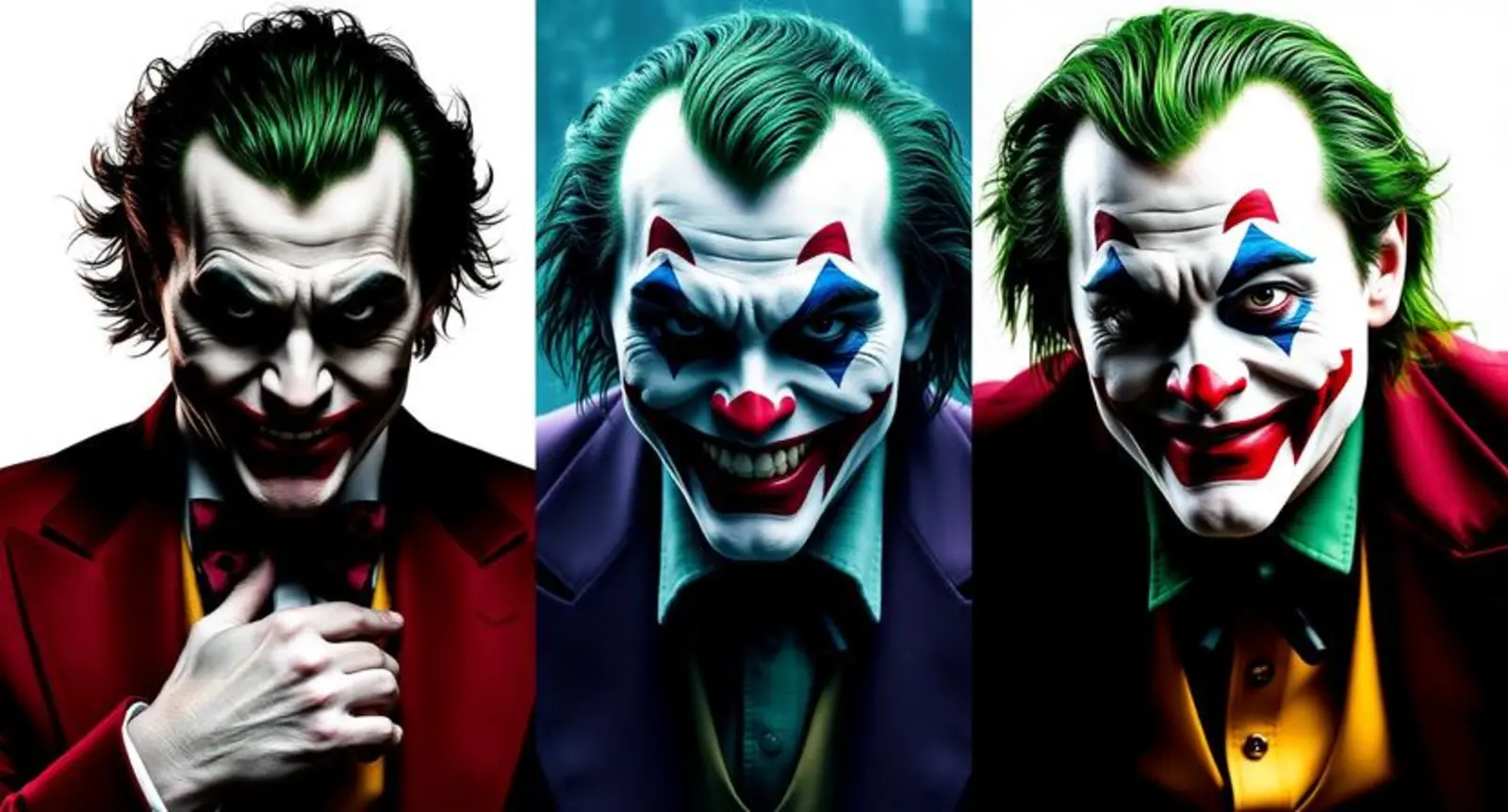
Few characters in pop culture embody chaos, tragedy, and psychological intrigue like the Joker.
From the dark pages of comic books to the silver screen, this infamous clown prince of crime has captivated audiences, challenged societal norms, and mirrored our deepest fears.
But the story of the Joker isn’t just a tale of villainy—it’s a journey through human psychology, emotional complexity, and cultural evolution.
In exploring the evolution of the Joker, we uncover more than a character; we witness a reflection of our own dark and luminous selves, an emblem of chaos that teases the boundaries of morality, laughter, and heartbreak.
Let’s dive into this labyrinthine journey and unravel the many layers of one of the most enigmatic figures in storytelling.
The Evolution of the Joker in Comic Book Origins
-
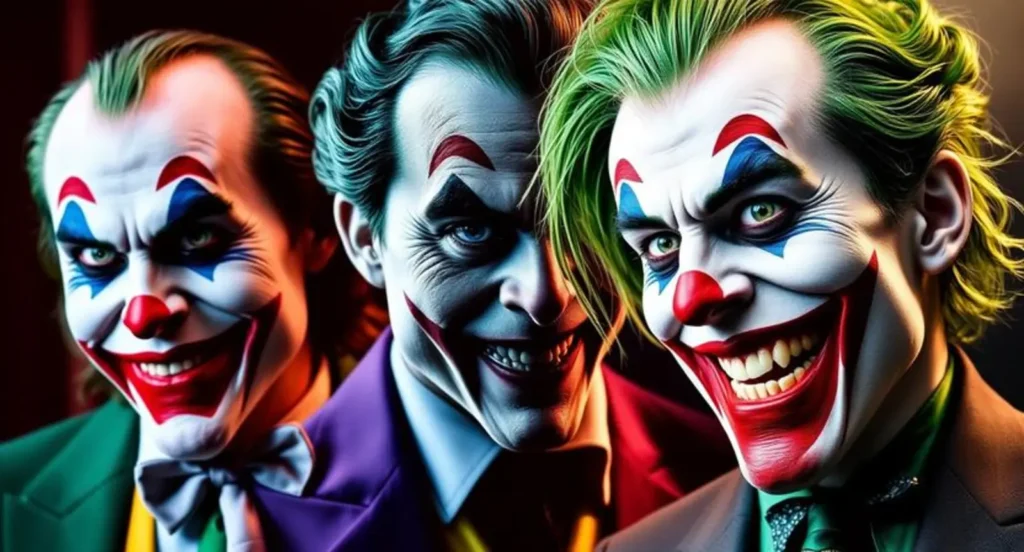
🃏 The Joker first appeared in Batman #1 (1940), created by Bill Finger, Bob Kane, and Jerry Robinson, embodying pure anarchic menace.
-
🎭 Inspired by the archetype of the trickster, early Joker was less nuanced—he thrived on practical jokes that escalated to deadly crimes.
-
💡 His green hair, chalk-white skin, and sinister grin created an instantly recognizable and psychologically unsettling aesthetic.
-
📖 Golden Age Joker reflected societal fears of the 1940s: post-Depression anxiety and wartime chaos.
-
🔪 The Joker’s murder of Robin (Jason Todd) decades later echoed his early roots of shocking the audience.
-
🖌️ Artists experimented with exaggeration—elongated smile, gaunt features—to amplify his unsettling nature.
-
📚 Labeled the “Clown Prince of Crime,” he personified the thin line between humor and horror.
-
🎨 Visual storytelling reinforced his unpredictability—bright colors contrasted with sinister deeds.
-
🕹️ Early comic fans identified him as the ultimate foil to Batman’s disciplined morality.
-
🧠 Psychologically, Joker began as a canvas of chaos, reflecting humanity’s shadow self.
-
💬 His dialogue oscillated between witty one-liners and chilling threats, establishing a blueprint for his voice.
-
🧩 The ambiguity of his origin left room for later reinventions.
-
🏙️ Gotham City served as his playground, amplifying his role as the harbinger of chaos.
-
⚡ These comic origins cemented the Joker as a versatile symbol adaptable across eras.
The Evolution of the Joker Through Psychological Complexity
-
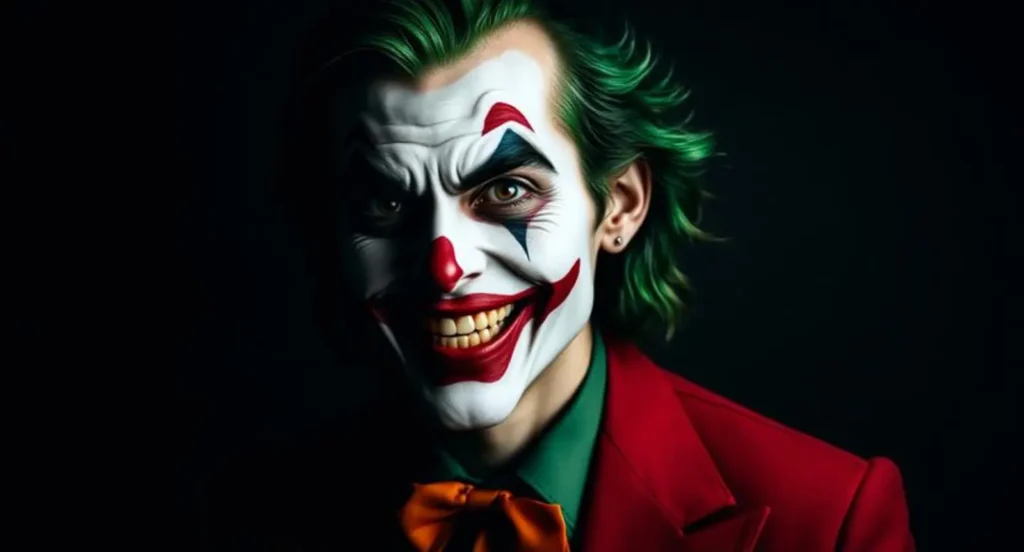
🧠 Modern interpretations explore his schizophrenia-like tendencies and sociopathy.
-
💔 Early Joker was villainous, but now he’s tragic—an emblem of pain and alienation.
-
😈 His unpredictability mirrors human cognitive dissonance and moral ambiguity.
-
🌀 Trauma-centric backstories add emotional depth, making him relatable yet terrifying.
-
🎭 Identity crises fuel his transformations, blurring the line between playfulness and madness.
-
🕵️ Behavioral analysis shows how his cunning intellect manipulates heroes and society.
-
💡 His obsession with chaos often reflects a deep philosophical inquiry into free will.
-
🖤 The Joker represents both societal oppression and personal rebellion, intertwining social commentary with character development.
-
🎯 Psychologically, he thrives on testing boundaries—both moral and physical.
-
🔮 His nihilism resonates with existentialist thought, questioning life, purpose, and order.
-
🧩 Cognitive unpredictability enhances narrative tension and audience engagement.
-
🩸 Violence, when contextualized psychologically, becomes a tool for exploring human darkness.
-
🌪️ Emotional instability makes him a mirror for suppressed desires and fears.
-
🏛️ Through psychology, Joker evolves from mere villain to cultural symbol.
The Evolution of the Joker on the Silver Screen
-
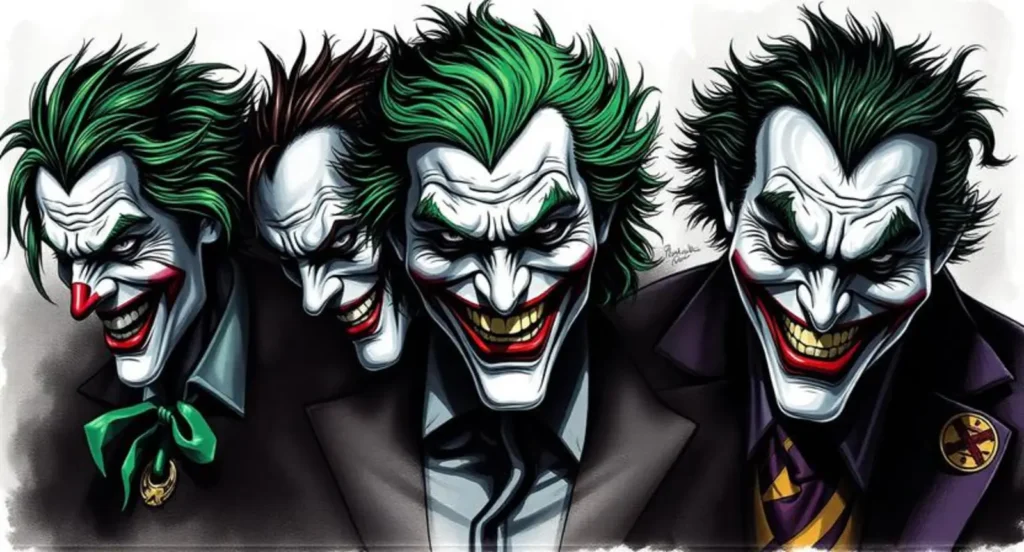
🎬 Cesar Romero (1960s) brought campy humor to the Joker in the Batman TV series.
-
🃏 Jack Nicholson (1989) added a sinister, charismatic dimension in Tim Burton’s Batman.
-
🔥 Heath Ledger (2008) redefined the character as anarchic, chaotic, and deeply human in The Dark Knight.
-
🩸 Joaquin Phoenix (2019) explored origin trauma and societal rejection in Joker.
-
🌟 Each actor brought unique emotional texture, creating multiple lenses of interpretation.
-
🎭 Makeup and costume design evolved to match psychological tone: playful, grotesque, or realistic.
-
💬 Dialogue delivery shifted from theatrical humor to menacing whispers and philosophical monologues.
-
🖤 Films explored Joker’s morality—villain, antihero, and societal mirror.
-
🕹️ Interactive media and films reinforced his cultural omnipresence.
-
🌀 Cinematic storytelling enabled deep dives into emotional and societal dynamics.
-
💡 Lighting and soundscapes heightened his unpredictability and terror.
-
🧩 Joker became a lens for exploring grief, alienation, and societal decay.
-
🌪️ His cinematic evolution fueled fan fascination and cultural discussion.
-
🏆 Awards and critical acclaim elevated Joker to one of the most analyzed fictional characters in history.
The Evolution of the Joker in Pop Culture Symbolism
-
🃏 Joker’s image now transcends comics and film—appearing in memes, fashion, and art.
-
💔 He embodies rebellion against societal norms, appealing to outsider psychology.
-
🎨 Graffiti and street art often depict him as a mirror of urban chaos.
-
🖤 Emojis and digital culture adopted the Joker as a symbol of playful menace.
-
🎭 His mask allows exploration of identity, deception, and performance in everyday life.
-
🌟 Cosplay culture celebrates Joker’s fluidity of interpretation and emotional depth.
-
🔮 His symbolism intersects with philosophy, psychology, and morality debates.
-
🌀 He represents duality: humor and horror, chaos and genius.
-
🏙️ Gotham-inspired aesthetics seep into architecture, fashion, and design.
-
💡 Brands sometimes leverage his unpredictable nature for edgy campaigns.
-
🎯 Joker inspires storytelling across genres: drama, thriller, and dark comedy.
-
🩸 Tattoos and fan art highlight his resonance with emotional expression.
-
🎬 His presence in popular culture invites discussions about morality, identity, and society.
-
🏆 Joker remains a timeless icon bridging narrative, emotion, and philosophy.
The Evolution of the Joker in Comic Story Arcs
-
📖 The Killing Joke deepened his tragic origin, highlighting psychological trauma.
-
🃏 Arkham Asylum: A Serious House on Serious Earth explored madness in surreal narrative.
-
🎭 Death of the Family redefined Joker’s obsession with Batman.
-
🖤 Endgame showcased his chaotic brilliance against the entire Bat-family.
-
💡 Story arcs emphasize moral ambiguity and complex psychology.
-
🏙️ Gotham City itself becomes a character reflecting Joker’s chaos.
-
🎯 Joker’s relationships with other villains and heroes enhance narrative tension.
-
🔮 Alternate realities allow reinvention, keeping him fresh across decades.
-
🧩 Comic arcs explore the interplay between humor, horror, and intellect.
-
🌪️ His strategies reveal deep philosophical undercurrents about order and chaos.
-
🩸 Tragedy and comedy are intertwined in narrative beats, enhancing emotional resonance.
-
💬 Dialogue evolves with societal language, maintaining relevance.
-
🖌️ Art styles reflect era-specific cultural fears and aesthetic sensibilities.
-
⚡ Through story arcs, Joker evolves into a multifaceted cultural mirror.
The Evolution of the Joker in Gaming and Interactive Media
-
🎮 Batman: Arkham Asylum introduced immersive interactive experiences with Joker.
-
🃏 Players explore his strategic genius and manipulative tactics.
-
💡 Voice acting adds emotional nuance and psychological depth.
-
🕹️ Gameplay emphasizes unpredictability, reflecting Joker’s character.
-
🖤 Quests often explore moral dilemmas, mirroring his chaotic philosophy.
-
🔮 Interactive media extends his cultural impact beyond passive observation.
-
🌟 Multiplayer adaptations highlight social dynamics and fan engagement.
-
🎭 Alternate skins and narrative choices allow fan-driven interpretation.
-
🏙️ Virtual Gotham becomes a sandbox to witness Joker’s chaos firsthand.
-
🧩 Storylines integrate philosophical and existential undertones.
-
🎯 Puzzles and traps in games reinforce his intelligence and theatricality.
-
🩸 Character-driven mechanics enhance emotional immersion.
-
🌪️ Joker-inspired mods showcase fan creativity and cultural resonance.
-
🏆 Gaming solidifies him as both a playable menace and narrative master.
The Evolution of the Joker in Feminine and Romantic Narratives
-
💕 Harley Quinn’s origin emphasizes emotional co-dependence and toxic love.
-
🎭 Romance with Batman explores obsession and opposites-attract tension.
-
💋 Femininity and playfulness in narratives deepen emotional resonance.
-
🖤 Dark humor intersects with romantic manipulation.
-
🃏 Emotional volatility adds layers to interpersonal dynamics.
-
🌹 Joker’s charisma explains seductive yet dangerous appeal.
-
🔮 Storylines examine love, rejection, and psychological influence.
-
🎯 Power dynamics in romance highlight control and freedom themes.
-
💡 The interplay of humor and menace enhances sensual storytelling.
-
🧩 Relationships mirror societal commentary on morality and desire.
-
🏙️ Gotham’s backdrop amplifies the tension of love and chaos.
-
🩸 Tragic romance invites empathy despite villainy.
-
🌪️ Intense partnerships create narrative tension and fan fascination.
-
🏆 Romantic arcs solidify Joker as both emotional and psychological symbol.
The Evolution of the Joker in Fashion and Style Iconography
-
👔 His purple suit, green hair, and painted smile became iconic in fashion.
-
🖌️ Makeup trends emulate his exaggerated features for cosplay and runway.
-
🎭 The Joker aesthetic inspires punk, goth, and avant-garde styles.
-
💄 Femininity and dark allure intersect in Joker-inspired looks.
-
🧩 Cultural fashion commentary often references his anarchic elegance.
-
🌟 Accessory design—cards, gloves, and hats—reinforces thematic consistency.
-
🏙️ Gotham-inspired color palettes influence urban fashion.
-
🔮 His image embodies rebellion, chaos, and individuality.
-
🃏 Streetwear brands incorporate Joker motifs for edgy appeal.
-
🎯 Hair and makeup artistry celebrate theatricality and identity play.
-
💔 Joker-inspired fashion often explores duality and psychological contrast.
-
🩸 Designers create narrative-driven collections using Joker symbolism.
-
🌪️ Pop culture crossover enhances recognition and relevance.
-
🏆 Fashion cements Joker as a timeless cultural icon beyond media.
The Evolution of the Joker in Sociopolitical Commentary
-
🏛️ Joker reflects society’s struggles with injustice, inequality, and mental health.
-
💔 Films like Joker (2019) highlight societal neglect and alienation.
-
🔮 His anarchic philosophy critiques systemic control.
-
🖤 The character challenges moral absolutism and authority structures.
-
🎯 His chaos serves as mirror for real-world social issues.
-
🧩 Comic arcs often embed commentary on corruption and urban decay.
-
🌟 Joker’s narrative questions ethical constructs in a postmodern world.
-
🕹️ Gaming narratives explore morality and consequences of societal neglect.
-
🎭 His duality symbolizes the tension between individual freedom and collective order.
-
💡 Media critiques often interpret him as a protest against societal apathy.
-
🏙️ Gotham itself acts as allegory for real-world urban crises.
-
🩸 Violence in his stories forces confrontation with human brutality and empathy.
-
🌪️ Joker’s popularity reveals fascination with antiheroes as cultural symbols.
-
🃏 Ultimately, he embodies rebellion against both internal and external constraints.
The Evolution of the Joker in Narrative Techniques and Storytelling
-
🖌️ Non-linear storytelling enhances suspense and unpredictability.
-
🎭 Unreliable narration reflects Joker’s chaotic mind.
-
🕹️ Interactive choices in gaming explore narrative depth and player agency.
-
💡 Visual metaphors—mirrors, shadows, and distorted perspectives—illustrate psychology.
-
🧩 Humor and horror are intertwined for emotional impact.
-
🏙️ Gotham’s architecture complements narrative tension.
-
🩸 Graphic novel techniques use paneling to emphasize emotion and pace.
-
🔮 Story arcs integrate philosophical questions about morality, identity, and chaos.
-
🎯 Dialogue rhythm mirrors tension, wit, and menace.
-
🌟 Character-driven narratives provide insight into human psychology.
-
🖤 Tone oscillates between tragedy, dark comedy, and horror for emotional resonance.
-
🎬 Cinematic adaptations leverage visual storytelling for immersive experience.
-
🃏 Multi-layered plots maintain audience engagement and topical authority.
-
🏆 Strategic narrative design ensures Joker’s evolution remains timeless and compelling.
The Evolution of the Joker in Fan Theories and Interpretations
-
🕵️ Fans speculate about multiple Jokers across multiverses.
-
💔 The “Joker as Batman’s shadow” theory explores psychological duality.
-
🔮 Origins remain ambiguous, fueling speculation and emotional engagement.
-
🎭 The relationship with Harley Quinn inspires alternate storytelling interpretations.
-
🧩 Joker as metaphor for societal collapse resonates across fan communities.
-
🌟 Memes amplify his chaotic, unpredictable nature.
-
🖤 Alternate media (animated series, fan fiction) reimagine his persona.
-
🎯 Symbolism in smile, laughter, and costume generates layered fan analysis.
-
🏙️ Gotham is central to interpreting his moral and philosophical identity.
-
💡 Fan theories bridge comics, cinema, and gaming narratives.
-
🩸 Narrative gaps invite speculative psychology and morality debates.
-
🃏 Cosplay variations reflect emotional and aesthetic reinterpretation.
-
🌪️ Social commentary emerges in fan discussions around chaos and ethics.
-
🏆 The Joker evolves through participatory fan engagement and cultural discourse.
The Evolution of the Joker in Mental Health Representation
-
🧠 Films and comics highlight schizophrenia, sociopathy, and trauma-informed behavior.
-
💔 Joaquin Phoenix’s portrayal emphasizes societal neglect and mental illness.
-
🎭 Joker serves as conversation starter for psychological health awareness.
-
🖤 Ethical discussions around violence and mental illness are nuanced.
-
🌟 Therapy, isolation, and trauma are central to understanding character evolution.
-
🔮 Comics and films explore coping mechanisms and maladaptive behaviors.
-
🏙️ Gotham acts as metaphorical pressure cooker exacerbating mental instability.
-
🩸 Dialogue and monologues reveal inner psychological landscapes.
-
💡 Tragic backstories evoke empathy without romanticizing violence.
-
🎯 Visual storytelling represents psychological disorientation and emotional volatility.
-
🕹️ Interactive media allows experiential understanding of mental health challenges.
-
🃏 Joker’s evolution parallels discussions on stigma, care, and societal responsibility.
-
🌪️ Depictions highlight tension between personal responsibility and systemic failure.
-
🏆 Responsible storytelling ensures Joker is a symbol for empathy, not glorification.
The Evolution of the Joker in Art and Visual Culture
-
🎨 Comics, films, and fan art expand his visual lexicon.
-
🖌️ Exaggerated facial expressions communicate emotion and menace.
-
🌟 Cinematic cinematography uses color, lighting, and framing for psychological effect.
-
🎭 Animation stylizes his chaos, blending horror and humor.
-
🩸 Street art captures anarchic, societal commentary.
-
🔮 Costume evolution mirrors cultural and aesthetic trends.
-
🏙️ Gotham architecture enhances narrative immersion.
-
🕹️ Game design utilizes spatial storytelling to represent character psychology.
-
💡 Visual symbolism—cards, laughter, and mirrors—creates semantic depth.
-
🧩 Fan art contributes to cultural evolution and topical authority.
-
🎯 Iconography supports emotional and narrative resonance.
-
🖤 Dark and bright contrasts reflect inner duality.
-
🃏 Joker’s visual evolution mirrors shifts in societal fears and interests.
-
🏆 Art ensures Joker remains culturally and emotionally iconic.
The Evolution of the Joker as a Mirror of Society
-
🏛️ Joker embodies societal anxieties, from post-war fears to modern alienation.
-
💔 His narratives reflect systemic neglect, inequality, and urban decay.
-
🔮 Chaos symbolizes rebellion against rigid societal structures.
-
🎭 His duality mirrors human struggle with morality and desire.
-
🧠 Psychological complexity represents the shadow self in cultural consciousness.
-
🕹️ Interactive narratives allow audiences to explore moral tension firsthand.
-
🌪️ Popularity indicates fascination with antiheroes as social commentary.
-
🎯 Joker acts as cultural barometer for empathy, violence, and humor.
-
💡 His evolution parallels shifts in media, psychology, and philosophy.
-
🏙️ Gotham reflects real-world urban dilemmas and societal decay.
-
🩸 Tragic backstories resonate with audiences navigating mental health and trauma.
-
🌟 Memes, fan art, and cosplay highlight participatory cultural dialogue.
-
🃏 Joker’s story reminds society that chaos, humor, and tragedy coexist.
-
🏆 Ultimately, the Joker is a mirror—reflecting both the darkness and brilliance of human culture.
FAQ Section: The Evolution of the Joker
Q1: How has the Joker’s origin story evolved over time?
A1: The Joker’s origin has shifted from ambiguous beginnings in the 1940s to deeply psychological narratives, exploring trauma, societal rejection, and mental instability. Modern retellings, such as The Killing Joke and Joker (2019), provide nuanced backstories that blend tragedy with chaos, making the character emotionally compelling while retaining his anarchic essence.
Q2: What psychological traits define the Joker’s evolution?
A2: The Joker exhibits traits of sociopathy, narcissism, emotional volatility, and cognitive unpredictability. His evolution reflects complex human psychology, exploring identity crises, trauma, nihilism, and moral ambiguity, allowing audiences to empathize with him while remaining aware of his dangerous unpredictability.
Q3: How has the Joker influenced pop culture?
A3: Beyond comics, the Joker has influenced films, fashion, art, memes, and gaming. His chaotic, rebellious persona resonates across generations, symbolizing anti-authoritarianism, dark humor, and societal critique. Cosplay, street art, and fan interpretations further cement his status as a cultural icon.
Q4: Why is the Joker considered a tragic character?
A4: Despite his villainous actions, the Joker’s backstory often highlights trauma, societal neglect, and isolation. Portrayals like Joaquin Phoenix’s emphasize emotional suffering, creating empathy and exploring the thin line between human vulnerability and destructive behavior, framing him as both villain and tragic figure.
Q5: How do films reinterpret the Joker’s character?
A5: Films adapt the Joker to reflect societal and psychological themes. From Cesar Romero’s campy portrayal to Heath Ledger’s anarchic menace and Phoenix’s tragic realism, cinematic interpretations explore identity, trauma, morality, and chaos, providing depth beyond the comic book origins.
Q6: How does the Joker reflect societal issues?
A6: Joker serves as a mirror for societal concerns, such as inequality, alienation, mental health, and systemic corruption. His chaotic actions critique authority and social norms, allowing audiences to examine cultural fears, ethical dilemmas, and the human propensity for disorder in a safe narrative space.
Q7: What role does humor play in Joker’s evolution?
A7: Humor in the Joker’s character balances horror and tragedy, often creating tension and unpredictability. From witty one-liners to dark comedy, it serves as a psychological tool, revealing his intelligence, manipulating others, and providing a lens into human coping mechanisms with chaos and fear.
Q8: How has Joker’s relationship with Harley Quinn impacted his evolution?
A8: Harley Quinn adds emotional and psychological depth to the Joker, exploring toxic love, co-dependence, and obsession. Their dynamic enhances narrative complexity, humanizing him in ways that explore power, desire, and vulnerability while maintaining his anarchic persona.
Q9: What are some key visual elements in Joker’s evolution?
A9: Signature elements include green hair, a chalk-white face, a red grin, purple suits, and exaggerated expressions. Visual storytelling across comics, films, and art uses color, lighting, and design to reinforce psychological themes, mood, and chaos, contributing to his cultural iconography.
Q10: Why does the Joker remain relevant today?
A10: The Joker persists due to his psychological complexity, cultural symbolism, and adaptability. By reflecting societal anxieties, human darkness, and philosophical questions about morality and chaos, he continues to resonate with audiences across generations, media, and cultural contexts.
Conclusion: The Evolution of the Joker
The journey of the evolution of the Joker is more than the story of a villain—it is a mirror reflecting human complexity, societal chaos, and emotional depth.
From comic pages to cinematic masterpieces, from street art to interactive media, the Joker embodies the interplay of humor, tragedy, and psychological intrigue.
His legacy reminds us that within the darkness of chaos, there is a story, a reflection, and a hauntingly beautiful reminder of our shared human fragility.

- Laugh through the best humorous stories, smart jokes, and comedy-filled content written for readers who love fun and entertaining reads.