
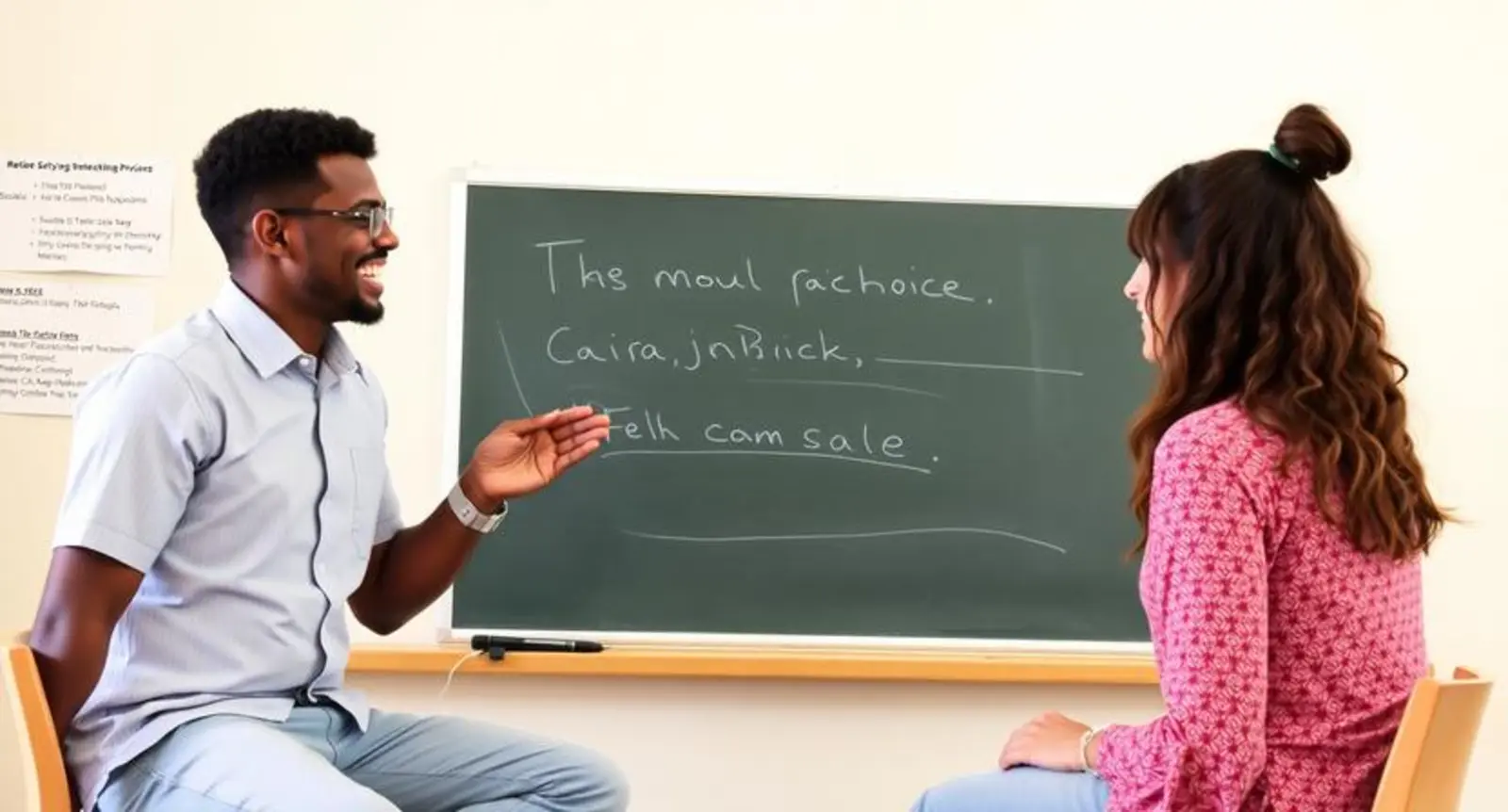
Teaching is one of the most emotionally demanding and beautifully rewarding professions in the world.
Between lesson planning, classroom management, emotional labor, and endless paperwork, teachers carry enormous responsibility.
That’s why teaching jokes matter so deeply. They aren’t just about laughter—they’re about relief, connection, belonging, and emotional survival.
A well-timed joke in a classroom can turn frustration into curiosity, boredom into engagement, and fear into confidence.
Teaching jokes remind educators that they’re human. They remind students that learning doesn’t have to feel heavy.
They create emotional bridges where trust, joy, and understanding flourish.
Whether you’re a teacher seeking comic relief, a student wanting to lighten the mood, or a parent hoping to support educators, this deeply human guide to teaching jokes will fill your heart, lift your spirit, and refresh your perspective—one laugh at a time.
🎓 Why Teaching Jokes Heal Burnout Before It Starts

-
Teaching jokes reduce stress hormones instantly 😌
-
They create emotional decompression after tough classes 🧘♀️
-
Humor resets mental fatigue naturally 🔄
-
They soften emotional overload 💗
-
Laughter triggers dopamine release 🌈
-
Jokes strengthen emotional resilience 🛡️
-
They prevent compassion exhaustion 🫶
-
Humor improves teacher mental clarity 🧠
-
Jokes build positive classroom energy ⚡
-
They lighten administrative pressure 📄
-
Humor improves mood stability 🌤️
-
Laughter reduces emotional tension 🎈
-
Jokes build emotional stamina 💪
-
Humor sustains passion for teaching 🔥
📚 How Teaching Jokes Transform Student Engagement

-
Humor captures wandering attention 👀
-
Jokes increase classroom participation 🙋
-
Laughter enhances memory retention 🧠
-
Humor improves lesson comprehension 📖
-
Jokes lower anxiety during learning 😌
-
They build emotional safety 💞
-
Humor strengthens teacher-student bonds 🤝
-
Jokes spark curiosity 🌟
-
Humor encourages critical thinking 💡
-
Jokes invite conversation 🗣️
-
They soften difficult concepts 🧩
-
Humor reduces academic fear 🎯
-
Jokes stimulate classroom connection 🏫
-
Humor boosts confidence in learners 🚀
🍎 Emotional Intelligence Behind Teaching Jokes

-
Humor nurtures emotional literacy 🫀
-
Jokes foster empathy development 🤍
-
They encourage emotional expression 🎭
-
Humor reduces emotional shutdown ❄️
-
Jokes improve emotional regulation 🌀
-
They normalize vulnerability 💫
-
Humor creates psychological comfort 🛋️
-
Jokes strengthen emotional awareness 🔍
-
They promote kindness culture 🌸
-
Humor builds emotional trust 🧸
-
Jokes soften emotional barriers 🌊
-
Humor reduces emotional defensiveness 🪶
-
Jokes encourage compassion 🤗
-
Humor nurtures emotional safety 🏡
🧠 Cognitive Benefits of Teaching Jokes in Learning
-
Humor improves focus 🎯
-
Jokes stimulate memory formation 🧠
-
Humor boosts information recall 🔄
-
Jokes increase neural engagement ⚡
-
Humor promotes brain plasticity 🧬
-
Jokes enhance conceptual linking 🔗
-
Humor improves reasoning 🧩
-
Jokes sharpen attention span 🕰️
-
Humor promotes analytical thinking 🔍
-
Jokes encourage creative thought 🎨
-
Humor increases mental alertness 👁️
-
Jokes reduce cognitive overload 🧘
-
Humor improves learning efficiency 🚀
-
Jokes reinforce mental clarity 🌤️
🎒 Classroom Culture Built with Teaching Jokes
-
Humor encourages respect 🙏
-
Jokes promote inclusion 🌈
-
Humor softens discipline challenges 🚦
-
Jokes build emotional belonging 🏠
-
Humor reduces classroom tension 🎈
-
Jokes foster collaboration 🤝
-
Humor strengthens group identity 🧩
-
Jokes promote open dialogue 🗨️
-
Humor builds kindness culture 💕
-
Jokes reduce bullying behaviors 🛡️
-
Humor promotes patience 🕊️
-
Jokes improve peer relationships 👫
-
Humor creates positive routines ⏰
-
Jokes shape emotional safety 🌱
📖 Daily Classroom Wins Using Teaching Jokes
-
Morning jokes boost attendance 🌞
-
Humor improves lesson transitions 🔄
-
Jokes energize afternoon slumps ☕
-
Humor revives sleepy classrooms 😴
-
Jokes encourage classroom dialogue 🗣️
-
Humor supports classroom focus 👓
-
Jokes enhance reading motivation 📚
-
Humor sparks math confidence ➕
-
Jokes increase writing creativity ✍️
-
Humor strengthens science curiosity 🔬
-
Jokes improve test morale 📝
-
Humor reduces assignment stress 📄
-
Jokes lighten homework fear 🎒
-
Humor builds joyful routines 🌻
💬 Communication Power of Teaching Jokes
-
Humor improves clarity 🗨️
-
Jokes simplify explanations 🔎
-
Humor enhances instruction flow 🌊
-
Jokes soften corrections ✏️
-
Humor improves listening skills 👂
-
Jokes encourage open discussion 🪟
-
Humor enhances expression 🎭
-
Jokes reduce communication anxiety 😌
-
Humor builds mutual understanding 🤝
-
Jokes encourage feedback 🗒️
-
Humor supports verbal confidence 🎤
-
Jokes encourage curiosity 💡
-
Humor improves emotional tone 🎵
-
Jokes strengthen message impact 📢
🧩 Creative Learning Through Teaching Jokes
-
Humor fuels imagination 🎨
-
Jokes spark innovation 💡
-
Humor enhances storytelling 📖
-
Jokes inspire problem-solving 🧠
-
Humor improves abstract thinking 🌌
-
Jokes boost curiosity 🔍
-
Humor builds playful learning 🪁
-
Jokes encourage experimentation 🔬
-
Humor nurtures originality ✨
-
Jokes build exploration mindset 🧭
-
Humor enhances narrative skills 📚
-
Jokes stimulate lateral thinking 🔄
-
Humor increases creative courage 🎭
-
Jokes unlock joyful discovery 🌈
👩🏫 Teacher Confidence Boosted by Teaching Jokes
-
Humor builds classroom authority 👑
-
Jokes reduce teaching anxiety 😌
-
Humor improves presence 🧘
-
Jokes enhance delivery 🎙️
-
Humor builds emotional strength 💪
-
Jokes encourage spontaneity 🎭
-
Humor builds classroom charisma 🌟
-
Jokes increase leadership confidence 🏆
-
Humor improves voice projection 🔊
-
Jokes reduce performance pressure 🫶
-
Humor boosts professional joy 😊
-
Jokes reinforce teaching identity 🎓
-
Humor encourages adaptability 🧩
-
Jokes nurture self-belief 🌻
🏫 Student Motivation Fueled by Teaching Jokes
-
Humor increases classroom enthusiasm 🔥
-
Jokes boost curiosity 🌟
-
Humor reduces learning fear 🛡️
-
Jokes encourage participation 🙋
-
Humor builds perseverance 💪
-
Jokes promote growth mindset 🌱
-
Humor nurtures academic courage 🎯
-
Jokes inspire exploration 🧭
-
Humor improves engagement ⚡
-
Jokes strengthen focus 👀
-
Humor reduces academic anxiety 😌
-
Jokes create joyful discipline 🧘
-
Humor builds intrinsic motivation 💗
-
Jokes cultivate love for learning 📚
💞 Emotional Connection Through Teaching Jokes
-
Humor builds trust 🤝
-
Jokes foster warmth 💕
-
Humor creates emotional openness 🌷
-
Jokes promote kindness 🌸
-
Humor strengthens emotional bonds 🧸
-
Jokes nurture belonging 🏡
-
Humor improves empathy 🤍
-
Jokes encourage compassion 🤗
-
Humor deepens relationships 🫶
-
Jokes reduce emotional distance 🌊
-
Humor enhances understanding 👁️
-
Jokes promote emotional safety 🛋️
-
Humor encourages vulnerability 🌿
-
Jokes build lasting connection 🌈
🎯 Classroom Discipline Enhanced by Teaching Jokes
-
Humor softens rule enforcement 🪶
-
Jokes reduce power struggles 🧘
-
Humor promotes cooperation 🤝
-
Jokes encourage accountability 📋
-
Humor diffuses conflict 🌬️
-
Jokes calm emotional escalation 😌
-
Humor supports respectful correction 💬
-
Jokes promote emotional self-control 🎯
-
Humor builds mutual respect 🙏
-
Jokes reduce classroom tension 🎈
-
Humor fosters positive compliance 🌻
-
Jokes encourage reflection 🔍
-
Humor strengthens fairness perception ⚖️
-
Jokes support emotional maturity 🌱
🌍 Lifelong Impact of Teaching Jokes Beyond School
-
Humor builds social confidence 🌟
-
Jokes improve communication skills 🗣️
-
Humor nurtures emotional resilience 🛡️
-
Jokes encourage optimism 🌤️
-
Humor fosters adaptability 🧩
-
Jokes strengthen leadership traits 👑
-
Humor promotes empathy 🤍
-
Jokes enhance creativity 🎨
-
Humor builds emotional intelligence 🧠
-
Jokes inspire lifelong learning 📖
-
Humor supports healthy relationships 🤝
-
Jokes nurture stress management 😌
-
Humor builds joy mindset 🌈
-
Jokes create lasting positivity 💫
✨ Joyful Teaching Philosophy Built on Teaching Jokes
-
Humor anchors emotional wellness 🌿
-
Jokes sustain teaching passion 🔥
-
Humor strengthens resilience 🛡️
-
Jokes cultivate gratitude 🌸
-
Humor promotes emotional balance ⚖️
-
Jokes encourage self-care 🧘
-
Humor nurtures professional joy 😊
-
Jokes inspire creative instruction 🎨
-
Humor builds meaningful routines ⏰
-
Jokes foster kindness culture 💞
-
Humor enhances compassion 🤍
-
Jokes promote reflective teaching 🔍
-
Humor nurtures growth mindset 🌱
-
Jokes build joyful legacy 🌈
❓ Frequently Asked Questions About Teaching Jokes
1. Why are teaching jokes so effective in classrooms?
Teaching jokes reduce stress, build emotional safety, and increase engagement. Humor creates a relaxed learning atmosphere that encourages participation, boosts memory retention, and improves focus. Students feel more comfortable asking questions, while teachers feel more connected and confident.
2. How often should teachers use teaching jokes?
Teaching jokes work best when used naturally and thoughtfully. A few well-placed jokes throughout the day can lift energy, improve transitions, and reduce tension without distracting from learning objectives.
3. Can teaching jokes improve student behavior?
Yes. Humor softens discipline, diffuses conflict, and builds mutual respect. Students respond more positively to guidance when delivered with warmth and laughter rather than strict authority.
4. Are teaching jokes suitable for all age groups?
Absolutely. Teaching jokes can be tailored to any age, from playful humor for young children to clever wordplay and situational humor for teens and adults.
5. Do teaching jokes help teachers manage burnout?
Yes. Laughter reduces emotional exhaustion, increases dopamine, and helps teachers reset mentally, which protects long-term emotional health.
6. Can teaching jokes enhance memory retention?
Humor activates emotional memory centers in the brain, making lessons more memorable and easier to recall.
7. How do teaching jokes affect classroom relationships?
They build trust, emotional safety, and connection, strengthening teacher-student relationships and improving peer interaction.
8. Can teaching jokes improve communication skills?
Yes. Humor enhances listening, encourages open discussion, and builds expressive confidence in students.
9. Are teaching jokes beneficial for special education settings?
Very much so. Humor reduces anxiety, increases emotional comfort, and improves engagement, making learning more accessible.
10. How do teaching jokes support emotional intelligence?
They encourage empathy, emotional awareness, kindness, and emotional regulation—skills that support lifelong success.
🌸 Final Thoughts on Teaching Jokes
At the heart of every unforgettable classroom is laughter.
Teaching jokes don’t just entertain—they heal, connect, inspire, and empower.
They turn learning into joy, discipline into compassion, and challenges into growth.
When teachers laugh, students thrive. When students laugh, learning sticks. In every giggle, chuckle, and joyful grin, teaching jokes create emotional magic that lasts a lifetime.

- Enjoy fresh comedy content, witty punchlines, and trending jokes perfect for anyone looking for fun and lighthearted entertainment online.